Introduction: The Convergence of Two Giants
For the past decade, cloud computing has been the quiet engine behind the digital world, providing the storage and processing power that fueled the mobile and SaaS revolutions. However, we have reached a critical tipping point. The rise of generative AI and large-scale machine learning has transformed the cloud from a passive storage locker into an active, intelligent “brain.”
Today, the dialogue has shifted from simple “hosting” to a deep technical synergy: AI and cloud computing. This isn’t just a partnership; it is a fundamental re-architecting of how information is processed. As enterprises rush to deploy smarter models, they are discovering that the traditional cloud is no longer enough. They need cloud computing aiinfrastructure that is purpose-built for the massive parallel processing demands of modern neural networks.
But what is AI in cloud computing in a practical sense? Is it just running a model on a remote server, or is it something deeper? In this article, we will explore the symbiotic relationship between these two technologies, the shift toward AI-native infrastructure, and how platforms like WhaleFlux are leading the charge by bringing “Big Cloud” reliability to the decentralized AI frontier.
1. What is AI in Cloud Computing?
To define it simply, ai in cloud computing is the integration of artificial intelligence capabilities—such as machine learning (ML), natural language processing (NLP), and computer vision—directly into cloud infrastructure.
However, the relationship is bidirectional:
- Cloud for AI: The cloud provides the “muscles” (GPUs, TPUs, and vast datasets) that AI needs to learn and perform inference.
- AI for Cloud: AI acts as the “nervous system” for the cloud, optimizing resource allocation, predicting hardware failures, and automating security.
This convergence creates a self-optimizing environment. Instead of a human administrator manually scaling servers, ai cloud computing systems use predictive algorithms to anticipate traffic spikes and provision resources in real-time. This is precisely the logic behind the WhaleFlux Intelligent GPU Scheduling system, which manages decentralized GPU nodes with the same precision and stability once reserved only for the world’s largest data centers.
2. The Core Pillars of AI and Cloud Computing
When we discuss cloud computing and ai, we are looking at three critical areas of innovation:
A. Massive Compute On-Demand (GPU-as-a-Service)
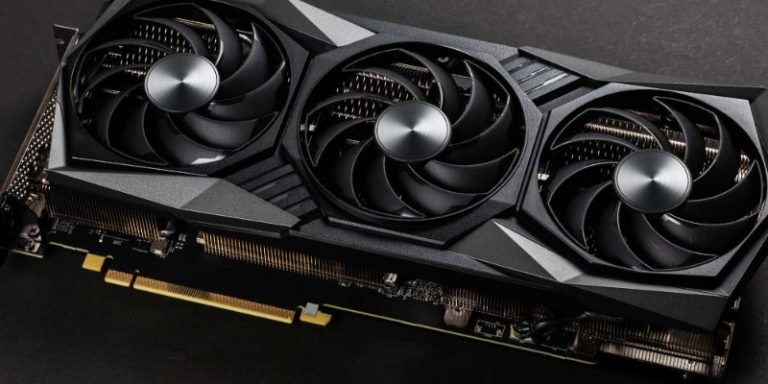
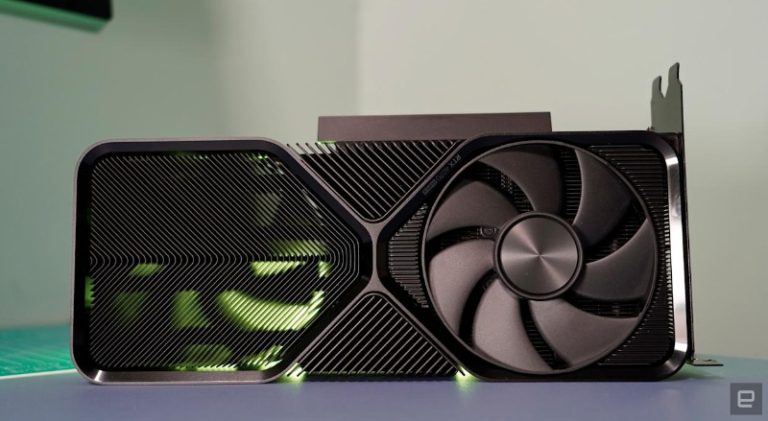
Traditional cloud was built for CPUs (Central Processing Units). AI requires GPUs (Graphics Processing Units). The shift to ai cloud computing means that the cloud is now a massive pool of parallel processing power.
B. Data Democratization
AI is nothing without data, and the cloud is the world’s largest data repository. By housing datasets in the cloud, companies can train models without having to build their own multi-million dollar data centers.
C. Automated Infrastructure (AIOps)
This is where cloud computing ai becomes truly “intelligent.” AIOps uses machine learning to monitor the health of the cloud itself. At WhaleFlux, this manifests as AI Observability. By monitoring chip-level telemetry, WhaleFlux can predict 98% of hardware failures before they interrupt a training job. This brings “Big Cloud” reliability to a more flexible, cost-effective infrastructure.
3. Why Enterprises are Moving to AI-Native Cloud Solutions
The transition to ai and cloud computing isn’t just about speed; it’s about economics and accessibility.
Cost Efficiency:
Building an on-premise AI cluster is a massive CAPEX risk. Ai in cloud computing turns this into OPEX, allowing companies to pay only for the compute they use. WhaleFlux takes this a step further, offering up to 70% lower compute costs compared to traditional legacy providers by intelligently scheduling tasks across a global network of GPUs.
Speed to Market:
Using pre-configured cloud environments, developers can deploy a Fine-tuning job in minutes rather than weeks spent configuring physical hardware.
Scalability:
Whether you need one H100 for a small test or a cluster of a hundred for a massive inference task, the synergy of cloud computing and ai makes this possible instantly.
4. WhaleFlux: Redefining the AI Cloud Stack
While the “Big Three” cloud providers offer general-purpose services, WhaleFlux is built from the ground up as a Unified AI Platform. We recognize that the needs of an AI researcher are fundamentally different from those of a web developer.
The WhaleFlux Solution for AI Cloud Computing:
Elastic AI Compute:
We provide the high-performance NVIDIA GPU power (H100, A100, L40) required for the most demanding computer vision and NLP tasks.
Intelligent Scheduling:
As seen in our work with Exabits, WhaleFlux uses AI to manage decentralized GPU resources. This ensures that even if a single node goes offline, your task is automatically rerouted with zero downtime.
AI Agent Platform:
We move beyond “compute-only.” Our platform allows you to build AI Agents that observe the cloud environment and take autonomous actions, such as auto-scaling or self-healing.
5. The Future of AI and Cloud Computing
The future of ai cloud computing is not just about bigger models; it is about distributed intelligence. We are moving toward a world where the cloud isn’t a central warehouse, but a decentralized web of intelligent nodes.
In this future:
- Edge AI will process data locally for retail and manufacturing.
- Decentralized DePIN (Decentralized Physical Infrastructure Networks) will provide the majority of the world’s raw compute power.
- Intelligent Orchestration (like WhaleFlux) will be the “glue” that makes these decentralized systems as reliable as the legacy cloud.
Conclusion: Navigating the New Cloud Era
The integration of ai and cloud computing is the most significant technological shift since the invention of the internet itself. By answering the question—what is ai in cloud computing—we reveal a future where software isn’t just written; it is grown and optimized by the very infrastructure it runs on.
For organizations looking to lead in this new era, the choice of infrastructure is paramount. You need more than just raw power; you need the intelligence to manage that power efficiently. WhaleFlux provides that intelligence, offering a bridge between the affordability of decentralized compute and the reliability of the enterprise cloud. Whether you are fine-tuning a model for retail or building the next great AI agent, the future is built on the intelligent cloud.
Frequently Asked Questions
1. What is AI in cloud computing in simple terms?
It is the marriage of AI’s “intelligence” with the cloud’s “power.” The cloud provides the massive GPU resources needed to run AI, while AI is used to make the cloud run more efficiently, securely, and automatically.
2. How does WhaleFlux improve on traditional ai cloud computing?
Traditional cloud is expensive and often centralized. WhaleFlux uses Intelligent GPU Scheduling to manage decentralized resources, providing “Big Cloud” stability with 70% lower costs and 98% better hardware failure prevention.
3. Is cloud computing necessary for AI?
For small tasks, no. But for modern AI (like Large Language Models or high-end Computer Vision), the compute requirements are so high that cloud computing ai is the only way to access the necessary GPUs (like the H100) affordably and at scale.
4. What is the role of WhaleFlux in the Exabits case study?
In the Exabits x WhaleFlux use case, WhaleFlux acted as the management layer for a decentralized AI infrastructure. We provided the “intelligent brain” that allowed Exabits to offer reliable, enterprise-grade GPU power to their clients without the risk of system downtime.
5. Will AI eventually manage all cloud computing infrastructure?
Yes, we are moving toward “Autonomous Clouds.” Systems like the WhaleFlux AI Agent Platform are the first step, where AI agents observe the system and take actions (like rerouting tasks or optimizing power) without human intervention.