Imagine a world where diseases like cancer are detected with superhuman accuracy years before symptoms appear. Where treatment plans are not one-size-fits-all but are meticulously tailored to your unique genetic makeup. Where hospital administrators can predict patient influx and optimize staff schedules, not from gut feeling, but from powerful, data-driven intelligence. This is not the distant future; it is the new frontier of medicine, being unlocked today by artificial intelligence.
The healthcare industry is in the midst of a profound digital revolution. Driven by an ever-growing need for predictive diagnostics, personalized treatment, and operational efficiency, the sector is turning to technology for solutions. At the forefront of this transformation are AI solutions for healthcare, which are rapidly evolving from experimental projects into essential, life-saving tools. From analyzing medical images to accelerating drug discovery, these innovative healthcare AI solutions are poised to redefine patient care.
However, this promise comes with a critical challenge. The complex algorithms that power these breakthroughs—particularly the large language models that can parse vast medical literature and the sophisticated vision models that read scans—require immense, reliable, and instantly available computational power. For many hospitals, research institutions, and health tech startups, this demand strains IT budgets and creates a technological bottleneck, slowing down the deployment of life-changing tools.
This is where the need for a specialized technology partner becomes paramount. Introducing WhaleFlux, the intelligent GPU resource management platform designed to meet this exact need. WhaleFlux provides the robust, scalable, and cost-efficient computational foundation required to deploy and scale these innovative healthcare AI solutions effectively, ensuring that the power of AI can be reliably applied where it matters most: improving human health.
I. The New Frontier of Medicine: A Look at Modern Healthcare AI Solutions
The applications of AI in medicine are vast and growing, but they generally fall into three transformative categories that are delivering tangible value right now.
Diagnostic Precision
One of the most mature and impactful uses of AI is in medical imaging. Advanced algorithms are now capable of analyzing MRI, CT, and X-ray images with a level of speed and consistency that can augment even the most skilled radiologists. These AI models can detect subtle anomalies—a tiny nodule in a lung scan or a faint sign of a neurological disorder in a brain image—that might escape the human eye, especially under the pressure of a heavy workload. This isn’t about replacing doctors; it’s about empowering them with a powerful, tireless assistant that flags potential issues, leading to earlier and more accurate diagnoses.
Personalized Treatment
Moving beyond one-size-fits-all medicine, AI is enabling a new era of personalized care. By leveraging a patient’s unique data—including their genetic profile, medical history, and even lifestyle factors—AI systems can help clinicians develop highly tailored therapeutic plans. They can predict how a patient might respond to a specific chemotherapy drug or recommend a customized dosage of medication. This data-driven approach minimizes trial-and-error, reduces side effects, and significantly improves the chances of successful treatment outcomes.
Operational Efficiency
The benefits of AI extend beyond the clinic and into the very operations of a healthcare facility. AI healthcare solutions are now streamlining hospital resource management, predicting patient admission rates to optimize bed allocation, automating appointment scheduling to reduce wait times, and handling administrative tasks like billing and transcription. By freeing up staff from mundane tasks and optimizing logistics, hospitals can reduce costs, improve the patient experience, and allow medical professionals to focus their energy on direct patient care.
The Common Thread
Whether it’s pinpointing a tumor, designing a treatment, or managing a hospital floor, all these innovative healthcare AI solutions share a fundamental dependency: the need to process staggering amounts of data with unparalleled speed and accuracy. The value of an AI’s insight is directly tied to the computational power available to generate it in a timely and reliable manner.
II. The Computational Heartbeat: Why GPUs are Vital for Healthcare AI
In healthcare, computational demands are not merely a technical specification; they are often a matter of life and death. A diagnostic tool that takes minutes instead of seconds, or a monitoring system that crashes under load, is not just inconvenient—it’s unacceptable. This is why the choice of underlying hardware is so critical.
The unique architecture of Graphics Processing Units (GPUs) makes them the only viable option for these tasks. Unlike traditional computer processors (CPUs) that handle tasks sequentially, GPUs are designed for parallel processing. They can perform thousands of simple calculations simultaneously, which is exactly how AI models work. When an AI analyzes a high-resolution 3D medical scan, it is breaking it down into millions of data points and processing them all at once. A CPU would do this laboriously, one after the other, creating untenable delays. A GPU does it in a flash, accelerating model inference and delivering critical results when they are needed most.
The WhaleFlux Advantage: A Prescription for Power.
At WhaleFlux, we understand that not all medical AI workloads are the same. That’s why we provide a curated suite of the world’s most powerful NVIDIA GPUs, allowing you to match the right computational tool to the right medical challenge.
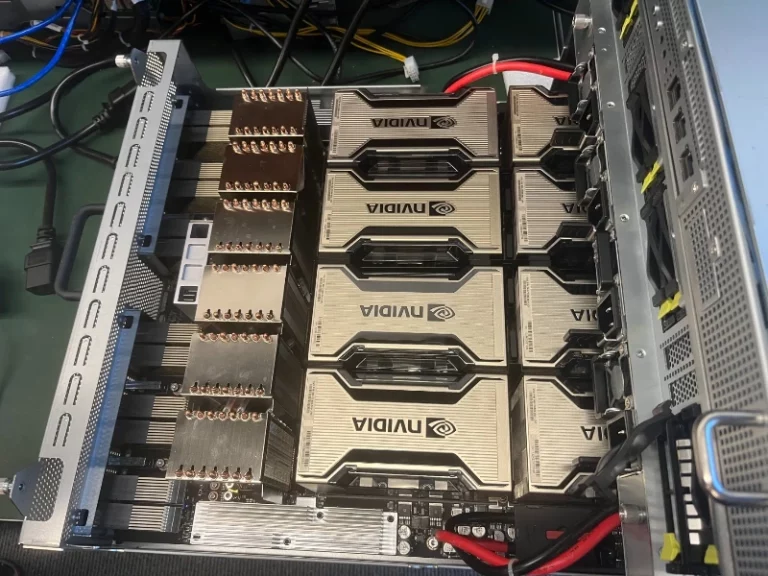
NVIDIA H100/H200: For Groundbreaking Discovery.
For the most computationally intensive tasks, such as whole-genome sequencing for rare disease research or real-time analysis of high-resolution, dynamic 3D medical scans, the H100 and H200 are unparalleled. They are the powerhouses designed for the most complex problems, delivering the speed necessary for groundbreaking discovery and the most demanding diagnostic applications.
NVIDIA A100: The Reliable Institutional Backbone.
The A100 serves as the dependable, robust backbone for hospital-wide AI systems. Its versatility and power make it ideal for institutions running multiple models concurrently—perhaps one for diagnostic imaging, another for parsing electronic health records, and a third for predictive patient monitoring. The A100 provides the stability and performance required for mission-critical, 24/7 clinical environments.
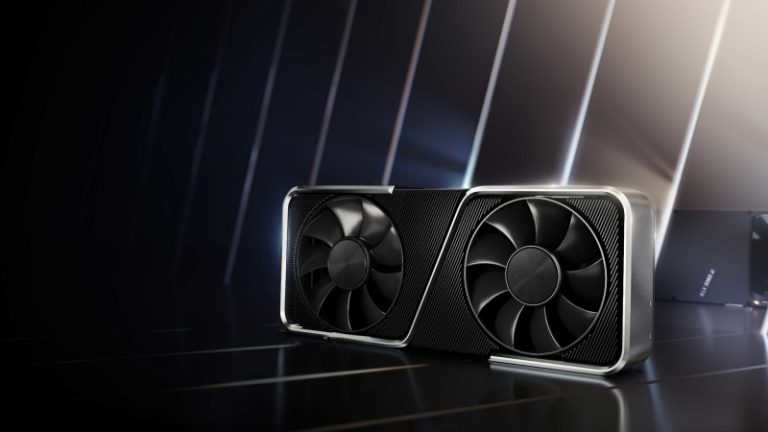
NVIDIA RTX 4090: The Accessible Innovator.
Innovation shouldn’t be prohibitively expensive. The RTX 4090 offers a remarkably cost-effective solution for developing new diagnostic tools, scaling specific applications, or processing high volumes of patient data for population health studies. It brings powerful AI capabilities within reach for smaller clinics, research labs, and startups, ensuring that financial constraints don’t block the path to innovation.
III. How WhaleFlux Ensures Your Healthcare AI Delivers on Its Promise
Providing the hardware is only the first step. WhaleFlux’s intelligent management platform is what transforms raw GPU power into a reliable, life-sciences-grade tool.
Speed Saves Lives:
In critical care, every second counts. WhaleFlux optimizes GPU resource allocation to minimize inference latency—the time between a query and a result. This means an AI analyzing a stroke victim’s CT scan can deliver its assessment in seconds, not minutes, enabling clinicians to make faster, more informed decisions that can dramatically improve patient outcomes.
Unwavering Stability:
Healthcare does not operate on a 9-to-5 schedule, and neither should the technology that supports it. WhaleFlux ensures AI systems are always available and reliable. Its automated load balancing and health checks prevent system overloads and crashes, eliminating costly and dangerous downtime in clinical environments. Doctors and researchers need the confidence that their AI tools will work every time they are needed.
Cost-Efficiency for Scalability:
The dream of AI in healthcare is often grounded by the reality of budgets. WhaleFlux’s core technology maximizes GPU utilization, ensuring you get the most value from every computational dollar spent. By eliminating resource waste, WhaleFlux makes deploying and scaling advanced AI healthcare solutions financially sustainable. This allows hospitals and developers to expand their AI initiatives, broadening their impact on patient care without facing exorbitant and unpredictable cloud costs. Our flexible purchase and rental models, with a minimum one-month term, provide the budget predictability that institutions require.
IV. Case Study: Accelerating Medical Imaging Analysis
The Challenge:
A regional diagnostic imaging center was experiencing significant delays in its MRI analysis workflow. Radiologists were overwhelmed with the volume of scans, leading to patient wait times of several days for results. This delay caused anxiety for patients and potentially pushed back the start of critical treatments.
The WhaleFlux Solution:
The center partnered with a health-tech company to deploy an AI-assisted analysis model. They needed a platform that could run the model quickly and reliably without a massive capital investment. The solution was deployed on a WhaleFlux cluster powered by NVIDIA A100 GPUs, chosen for their perfect balance of high performance and proven reliability.
The Outcome:
The impact was immediate and dramatic. The AI model, running on the powerful WhaleFlux infrastructure, could analyze an MRI scan and highlight areas of concern in minutes, a task that previously took radiologists hours. This did not replace the radiologists but served as a powerful pre-screening tool. Radiologists could now review the AI-assisted findings much faster, validating the results and focusing their expert attention on the most critical cases. Patient wait times for results were slashed, patient throughput increased, and, most importantly, the pathway to earlier intervention and treatment was significantly shortened.
Conclusion
AI solutions for healthcare are undeniably the key to a new era of medicine—an era defined by earlier detection, personalized care, and vastly more efficient health systems. However, this potential cannot be realized if these powerful tools are shackled by inadequate, unstable, or prohibitively expensive computational infrastructure.
WhaleFlux provides the essential, optimized NVIDIA GPU foundation that this new era demands. By offering access to a top-tier fleet of H100, H200, A100, and RTX 4090 GPUs through straightforward purchase or rental plans, WhaleFlux empowers healthcare providers, researchers, and developers to build, deploy, and scale the next generation of innovative healthcare AI solutions with confidence. We remove the technological and financial barriers, allowing you to focus on what truly matters.
Partner with WhaleFlux. Let us power the AI that powers better patient outcomes.
FAQs
1. What are the key areas where advanced AI is transforming healthcare?
Advanced AI is revolutionizing several critical areas. In medical imaging, AI models enhance diagnostics by analyzing CT, MRI, and pathology images with high accuracy, aiding in early disease detection. For drug discovery, AI accelerates the process by simulating molecular interactions and analyzing vast biological datasets, as seen in projects like the large-scale “virtual cell model”. Additionally, AI agents and diagnostic platforms are acting as intelligent assistants, helping with clinical decision support, patient triage, and automating administrative workflows.
2. Why do these healthcare AI applications demand such powerful computational resources?
The complexity of healthcare AI models creates immense computational demands. Training models on massive, multi-modal datasets (like millions of medical images or genomic sequences) requires processing power for trillions of calculations. More importantly, deploying these models for real-time inference—such as instant analysis of a CT scan during surgery or a conversational AI agent providing patient support—demands ultra-low latency and high throughput to be clinically useful. This makes efficient GPU resources not just beneficial but essential.
3. How do I choose the right NVIDIA GPU for different healthcare AI workloads?
Selecting the right GPU involves matching the hardware to the task’s scale and urgency. For large-scale training and complex simulations (like drug discovery or foundation model development), the immense power and memory of the NVIDIA H100 or H200 are ideal. For high-throughput medical imaging inference and analysis, the NVIDIA A100 offers a robust balance of performance and versatility. For prototyping, edge deployment, or specialized diagnostic tools, the NVIDIA RTX 4090 provides substantial power in a more accessible form factor for development and smaller-scale applications.
4. What are the main infrastructure challenges for healthcare organizations running AI?
Healthcare institutions face significant hurdles beyond just acquiring GPUs. Managing a heterogeneous cluster of different NVIDIA GPUs (H100s, A100s, etc.) for diverse research and clinical tasks is operationally complex. The primary challenges are cost control (preventing expensive resources like H100s from sitting idle) and ensuring reliability (guaranteeing stable, low-latency performance for critical clinical inference applications). Manual management often leads to poor resource utilization, driving up cloud costs and hindering research velocity.